Best Gadgets Every Tech Lover Should Know About
Introduction
Technology has become an important part of everyday life, and gadgets are at the center of that transformation. From smartphones and wireless earbuds to smartwatches, laptops, gaming devices, smart home products, and portable chargers, modern gadgets can make communication, entertainment, work, travel, and everyday tasks easier and more enjoyable. For technology lovers, discovering new devices is often an exciting way to stay connected with the latest developments in the tech world.
The best gadgets are not always the most expensive products. A useful gadget should solve a problem, improve convenience, save time, provide entertainment, or offer features that make everyday activities easier. Some devices are designed for productivity, while others focus on health, fitness, gaming, photography, communication, or home automation. The right gadget depends on what a person needs and how they plan to use it.
The technology market changes quickly. New products are introduced every year, while existing gadgets become more powerful, smaller, faster, and more intelligent. Features such as artificial intelligence, wireless connectivity, voice control, biometric security, advanced sensors, and cloud integration are becoming common across many categories.
This guide explores some of the most useful and interesting gadgets that every technology lover should know about. It explains what these gadgets do, why they are useful, and how they can fit into modern digital lifestyles.
Smartphones
The smartphone remains one of the most important gadgets in the modern technology ecosystem. A modern smartphone is much more than a device for making phone calls. It can function as a camera, navigation system, entertainment center, digital wallet, communication platform, gaming device, productivity tool, and personal assistant.
Modern smartphones typically offer powerful processors, high-quality displays, multiple cameras, fast wireless connectivity, biometric security, and access to thousands of applications. Premium smartphones can perform tasks that once required computers, including video editing, photo processing, document management, online meetings, and advanced gaming.
Smartphones have also become increasingly connected to other gadgets. A phone can control smart lights, connect to wireless headphones, communicate with smartwatches, transfer files to computers, and manage smart home devices. This makes the smartphone an important central hub for a technology-focused lifestyle.
Smartwatches
Smartwatches combine traditional watch functions with digital technology. Instead of simply displaying the time, modern smartwatches can show notifications, track physical activity, monitor various health-related measurements, control music, provide navigation information, and support communication features.
For people who exercise regularly, a smartwatch can be especially useful. Fitness features may include step counting, workout tracking, heart-rate monitoring, sleep tracking, GPS, and activity reminders. Different models offer different sensors and capabilities, so users should consider which features are actually useful before buying one.
Smartwatches can also reduce the need to constantly check a smartphone. Important notifications can appear directly on the wrist, while some models allow users to respond to messages, make calls, or interact with applications. This can make everyday digital communication more convenient.
Wireless Earbuds
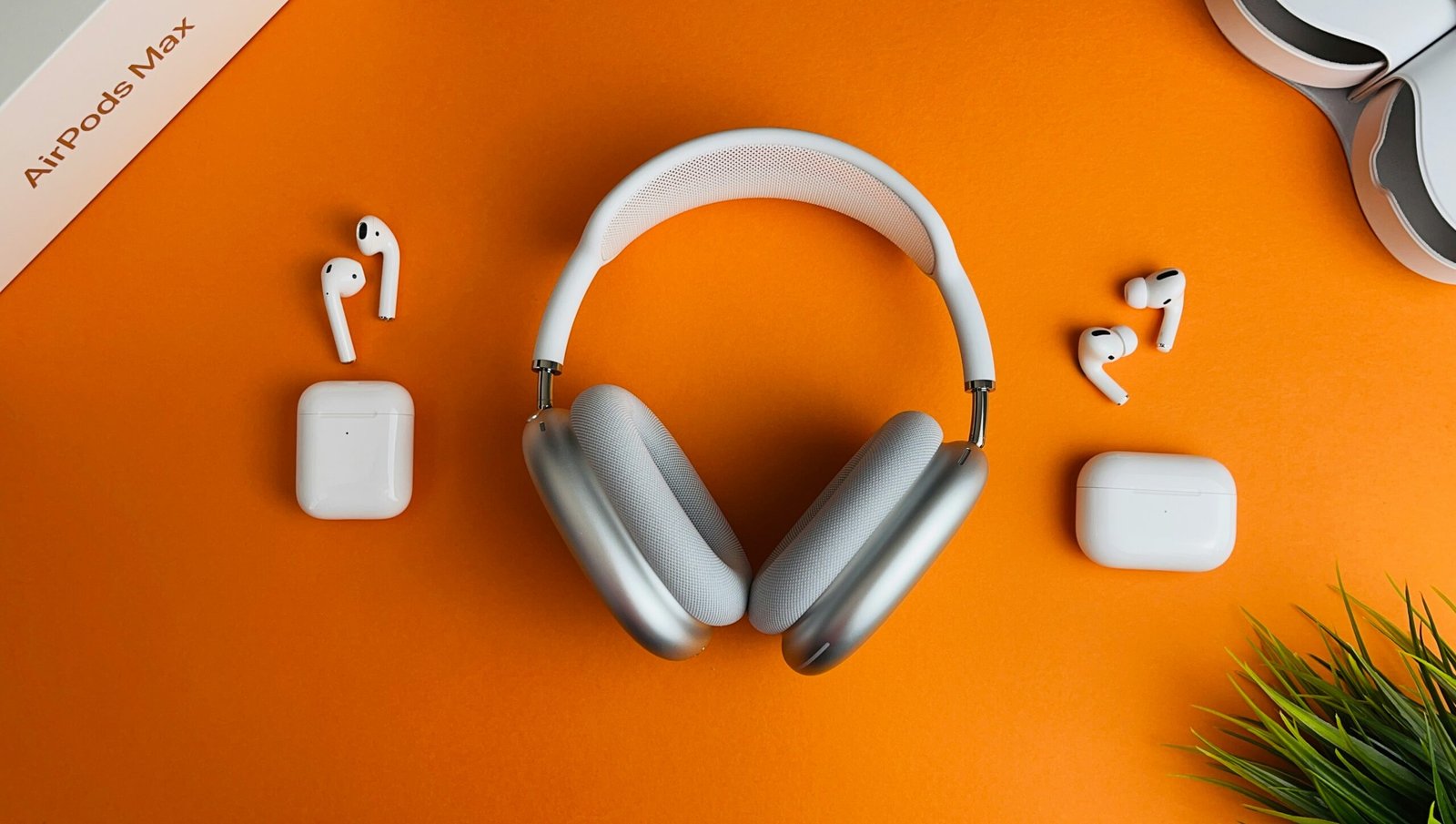
Wireless earbuds have become one of the most popular personal gadgets. They eliminate the need for traditional wired connections and provide a compact way to listen to music, podcasts, videos, and calls.
Many modern wireless earbuds include active noise cancellation, transparency modes, touch controls, microphones, and voice assistant support. Noise cancellation can be particularly useful in environments such as airplanes, offices, public transportation, and busy streets.
Battery life is another important consideration. Most wireless earbuds come with a charging case that provides additional battery capacity. The case can usually recharge the earbuds several times before it needs to be connected to a power source.
Comfort is just as important as technical specifications. Even an advanced pair of earbuds may not be a good choice if it does not fit comfortably. Technology lovers should consider sound quality, battery life, microphone performance, connectivity, comfort, and durability when choosing wireless earbuds.
Noise-Canceling Headphones
For users who want a larger audio experience, noise-canceling headphones can be an excellent gadget. Over-ear headphones generally provide larger drivers, stronger passive isolation, and more space for batteries and electronic components.
Active noise cancellation works by using microphones to detect surrounding sounds and electronic processing to reduce the impact of unwanted noise. This can make it easier to concentrate while working or enjoy music without constantly increasing the volume.
Noise-canceling headphones are particularly useful for frequent travelers, remote workers, students, and people who spend time in noisy environments. Some models also provide excellent microphones for video meetings and phone calls.
Laptops
Laptops remain essential gadgets for work, education, content creation, programming, business, and entertainment. Unlike smartphones and tablets, laptops provide a larger screen, physical keyboard, desktop-style software, and greater flexibility for demanding tasks.
Modern laptops are available in many forms. Lightweight models are designed for portability, while powerful laptops can handle video editing, software development, graphic design, engineering applications, and gaming.
Battery life is an important factor for mobile users. A laptop with excellent performance but poor battery life may be inconvenient for people who frequently work away from power outlets. Weight, keyboard quality, display resolution, storage, memory, processor performance, and connectivity should all be considered when selecting a laptop.
Tablets
Tablets occupy a space between smartphones and laptops. They provide a larger display than a phone while remaining more portable than most laptops.
Tablets can be useful for reading, watching videos, browsing the internet, taking notes, drawing, studying, video calls, and casual gaming. When paired with a keyboard and stylus, some tablets can also become productivity devices.
For students and creative professionals, a tablet with stylus support can be particularly useful. Digital handwriting, sketching, annotation, and illustration can be performed directly on the display.
Smart Speakers
Smart speakers bring voice-controlled technology into homes. These devices can play music, answer questions, provide information, set alarms and timers, and control compatible smart home devices.
The biggest advantage of a smart speaker is hands-free interaction. Users can perform simple tasks without picking up a phone or using a computer.
Smart speakers can also become part of a larger smart home ecosystem. Multiple compatible devices can work together, allowing users to control lights, thermostats, plugs, cameras, and other connected products using voice commands or smartphone applications.
Smart Displays
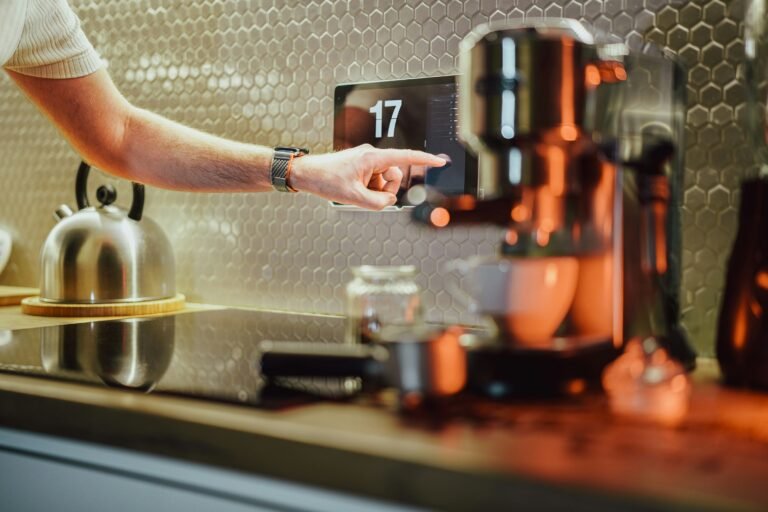
Smart displays take the idea of a smart speaker and add a screen. The display can show weather information, calendars, recipes, video content, photos, and other visual information.
Smart displays can be useful in kitchens because users can view recipes while cooking. They can also provide video calling capabilities and act as control centers for compatible smart home devices.
For families, a smart display can become a shared digital information center where calendars, reminders, entertainment, and home controls are easily accessible.
Smart Home Hubs
As people add more connected devices to their homes, managing those products can become complicated. A smart home hub can help bring compatible devices together.
Depending on the platform, a hub can allow users to control lights, sensors, locks, thermostats, cameras, and other devices from one central system. Automation can also allow different devices to respond to specific conditions.
For example, a smart home system might automatically turn on lights when someone enters a room or adjust the temperature according to a schedule. These automations can make a home more convenient while potentially reducing unnecessary energy use.
Smart Lighting
Smart lighting is one of the easiest ways to introduce technology into a home. Smart bulbs and light strips can often be controlled through smartphone applications, voice assistants, schedules, or automation systems.
Some smart lights allow users to adjust brightness and color temperature. Others offer millions of color options for entertainment or decorative purposes.
Smart lighting can also be scheduled. Lights can turn on or off automatically at particular times, making them useful for daily routines and home security.
Smart Plugs
Smart plugs are simple gadgets that can add basic smart functionality to traditional electrical devices. A smart plug connects to an electrical outlet and allows compatible appliances to be controlled electronically.
Users can often turn devices on or off remotely through an application or voice assistant. Scheduling features can also automate appliances.
Smart plugs can be useful for lamps, fans, chargers, and other suitable devices. However, users should always verify that a smart plug is rated appropriately for the appliance they plan to connect.
Fitness Trackers
Fitness trackers are designed primarily to monitor physical activity. They can track steps, exercise sessions, distance, calories, sleep patterns, and other measurements depending on the model.
Their small size makes them convenient for people who do not want a larger smartwatch. Many fitness trackers also offer long battery life, allowing users to wear them for several days between charges.
Fitness tracking data can help users understand their daily activity patterns. However, measurements from consumer devices are estimates and should not automatically be treated as medical measurements.
Portable Power Banks
A power bank is one of the most practical gadgets for people who use smartphones and other portable electronics throughout the day. It stores electrical energy and allows devices to be recharged when a wall outlet is unavailable.
Modern power banks vary greatly in capacity, size, charging speed, and number of ports. Some support fast charging, while others are designed for laptops and higher-power devices.
A compact power bank can be particularly useful during travel, outdoor activities, long workdays, or emergencies. Buyers should consider capacity, output power, charging standards, size, and safety features.
Wireless Charging Pads
Wireless charging provides a convenient alternative to connecting a charging cable. A compatible device can be placed on a charging pad, allowing electrical energy to transfer without a direct cable connection to the device.
Wireless charging is especially convenient on desks and bedside tables. Instead of searching for a cable, users can simply place their phone on the charging surface.
Charging speeds vary between devices and chargers. Wireless charging can also generate more heat than some wired charging methods, so users should select compatible and reliable charging accessories.
Portable SSDs
Portable solid-state drives provide fast external storage in a compact format. They are useful for people who need to carry large amounts of data between computers.
Photographers, video editors, students, developers, and business users can benefit from portable SSDs. They can be used for backups, transferring large files, storing media libraries, or expanding available storage.
SSDs generally provide faster access speeds and better resistance to physical movement than traditional portable hard disk drives. Their compact design makes them especially useful for people who travel frequently.
USB-C Hubs
Modern laptops and tablets increasingly use USB-C ports, but some thin devices offer fewer physical connections than older computers. A USB-C hub can expand connectivity by providing additional USB ports, display connections, memory card slots, Ethernet, and other interfaces.
A good USB-C hub can turn a lightweight laptop into a more complete workstation. Users can connect an external monitor, keyboard, mouse, storage device, network cable, and other accessories through one central hub.
Compatibility is important because not every USB-C port supports every feature. Users should check whether their device supports the required display, data, and charging functions.
Mechanical Keyboards
Mechanical keyboards are popular among technology enthusiasts, programmers, writers, and gamers. Instead of using traditional membrane mechanisms, mechanical keyboards use individual switches beneath their keys.
Different mechanical switches provide different levels of resistance, sound, and tactile feedback. Some users prefer quiet switches for office environments, while others enjoy louder and more tactile options.
Mechanical keyboards can also offer customizable keycaps, programmable keys, lighting effects, and different layouts. For people who spend many hours typing, the feel and design of the keyboard can have a significant effect on the overall computing experience.
Gaming Mice
Gaming mice are designed for precise control and fast response. They often provide adjustable sensitivity, programmable buttons, ergonomic shapes, and advanced sensors.
While designed for gaming, these features can also be useful for productivity. Programmable buttons can be assigned to shortcuts, editing functions, or repetitive tasks.
The ideal mouse depends on hand size, grip style, sensitivity preferences, and the type of work being performed. A comfortable mouse can be more valuable than simply choosing one with the highest technical specifications.
Gaming Controllers
Gaming controllers provide an alternative to keyboard and mouse input. Modern controllers can offer wireless connectivity, vibration feedback, customizable buttons, motion sensors, and ergonomic designs.
Controllers are useful not only for traditional consoles but also for PC gaming and mobile gaming. Some models can connect to multiple platforms, making them more versatile.
Technology enthusiasts who play games across different devices may appreciate a controller that supports several connection methods and platforms.
Virtual Reality Headsets
Virtual reality headsets create immersive digital environments by displaying separate images to each eye and tracking head movement. Some modern VR systems can operate without being connected to a powerful computer, while others rely on external hardware.
VR has applications beyond gaming. It can be used for virtual experiences, education, training, design, simulation, and entertainment.
The quality of a VR experience depends on display resolution, refresh rate, tracking, comfort, software availability, and processing capability. Because users wear the headset directly on their face, comfort is especially important.
Augmented Reality Devices
Augmented reality technology overlays digital information onto the physical world. Instead of completely replacing the user’s surroundings, AR combines digital elements with real environments.
AR can be used in navigation, education, design, shopping, entertainment, industrial applications, and professional training. Smartphones already provide basic AR capabilities through their cameras and sensors.
Dedicated AR glasses are an emerging category that could eventually make digital information more accessible while keeping users aware of their surroundings.
Streaming Devices
Streaming devices transform televisions into connected entertainment systems. They can provide access to video streaming platforms, music services, applications, games, and other digital content.
Many streaming devices are small enough to connect directly to a television’s HDMI port. They can be controlled using a remote or smartphone.
For people who own older smart TVs or want a different operating system, a dedicated streaming device can provide a more modern interface and additional features.
Smart TVs
Smart TVs combine traditional television viewing with internet-connected applications. Users can stream movies, watch online videos, access music services, browse supported applications, and connect other devices.
Modern smart TVs often offer high-resolution displays, advanced image processing, HDR support, gaming features, and voice controls.
The display technology can also vary. Different panels provide different combinations of brightness, contrast, color accuracy, viewing angles, and price. Technology lovers should consider their room, viewing habits, and content preferences when choosing a television.
Smart Security Cameras
Smart security cameras allow homeowners to monitor areas of a property using connected cameras. Depending on the model, features may include motion detection, night vision, two-way audio, cloud storage, local storage, and mobile notifications.
A connected camera can allow users to check their home remotely through a smartphone. Some systems can also identify different types of movement and provide alerts.
Privacy and security should be considered carefully when installing cameras. Strong passwords, updated firmware, secure networks, and appropriate camera placement are important for protecting the system.
Smart Doorbells
Smart doorbells combine a traditional doorbell with a camera and internet connection. When someone approaches the door, compatible systems can notify the homeowner through a smartphone.
Many smart doorbells also provide two-way communication, allowing users to speak with visitors remotely. Some can record motion events and provide additional security information.
As with smart cameras, privacy and account security are important considerations. Users should understand where recordings are stored and who can access them.
Robot Vacuum Cleaners
Robot vacuum cleaners use sensors, software, and motors to move around homes and clean floors automatically. Some advanced models can map rooms, avoid obstacles, return to charging stations, and schedule cleaning sessions.
For busy households, automation can reduce the amount of time spent on routine floor cleaning. Some premium models can also mop floors and automatically empty their dust containers.
The effectiveness of a robot vacuum depends on floor type, room layout, furniture, navigation technology, maintenance, and cleaning design.
Smart Air Purifiers
Smart air purifiers combine filtration systems with sensors and connectivity. They can monitor certain air-quality indicators and adjust operation automatically on supported models.
A smart purifier can provide information about indoor air conditions through a smartphone application. Scheduling and automation can also make it easier to manage operation.
Filter replacement is an important part of maintaining an air purifier. Users should follow the manufacturer’s maintenance instructions and choose a model appropriate for the size of the room.
Smart Thermostats
Smart thermostats are designed to automate heating and cooling systems. They can allow users to change temperature settings remotely and create schedules based on daily routines.
Some models can learn patterns over time or use sensors to improve temperature management. Others integrate with broader smart home systems.
Energy savings depend on many factors, including climate, building insulation, heating and cooling equipment, and user behavior. A smart thermostat provides automation, but its actual benefits vary from home to home.
Digital Cameras
Smartphone cameras have improved significantly, but dedicated digital cameras remain valuable for photography enthusiasts and professionals. Mirrorless and DSLR cameras provide larger sensors, interchangeable lenses, manual controls, and specialized photography features.
Mirrorless cameras have become particularly popular because they can provide advanced imaging capabilities in relatively compact bodies. Interchangeable lenses allow photographers to choose equipment based on portraits, landscapes, wildlife, sports, or other subjects.
For serious photography, lenses and lighting equipment can be just as important as the camera body.
Action Cameras
Action cameras are designed for compact and durable video recording. They are commonly used for travel, cycling, hiking, sports, outdoor activities, and adventure content.
Their small size makes them easy to mount on helmets, vehicles, bicycles, and other equipment. Many modern action cameras offer high-resolution video, electronic stabilization, waterproofing, and wide-angle lenses.
For travelers and content creators, an action camera can provide perspectives that are difficult to achieve with a smartphone.
Drones
Drones provide an aerial perspective that was once available mainly to professional filmmakers and specialized aircraft operators. Consumer drones can be used for photography, video recording, mapping, recreation, and other applications where legally permitted.
Modern drones often include stabilization, GPS positioning, obstacle sensing, automated flight features, and high-quality cameras.
Drone operators should always understand local aviation rules and privacy requirements before flying. Regulations can vary significantly between countries and locations.
E-Readers
E-readers are specialized gadgets designed primarily for digital books. Many use electronic ink displays that are designed to resemble printed text and can be easier to view for long reading sessions than conventional bright displays.
E-readers can store large libraries in a small device. They are especially useful for travelers, students, and people who read frequently.
Battery life is another advantage. Because electronic ink displays consume relatively little power when the page is not changing, many e-readers can operate for extended periods between charges.
Smart Pens
Smart pens combine traditional writing with digital technology. Depending on the model, they can capture handwriting, record audio, digitize notes, or synchronize written information with an application.
Students and professionals can benefit from digital note-taking while retaining the familiar experience of writing on paper.
Smart pens are particularly interesting for people who attend meetings, lectures, or study sessions where organized notes are important.
Portable Projectors
Portable projectors allow users to create large-screen entertainment experiences without installing a permanent television. Compact models can be carried between rooms or taken on trips.
Modern portable projectors may support wireless streaming, built-in speakers, rechargeable batteries, and smart operating systems.
Image quality depends heavily on brightness, resolution, projection distance, surface quality, and room lighting. For the best experience, projectors generally work better in darker environments.
Wi-Fi Mesh Systems
Reliable internet connectivity is essential for modern households. A Wi-Fi mesh system uses multiple connected access points to provide broader wireless coverage throughout a property.
Instead of relying on one router to cover every room, mesh systems distribute wireless access points across different areas. Devices can move between access points while remaining connected to the same network.
Mesh Wi-Fi can be especially useful in larger homes or buildings with areas where a traditional router provides weak coverage.
Network-Attached Storage
Network-attached storage, commonly known as NAS, provides centralized storage that can be accessed through a local network. It can be useful for families, small businesses, photographers, content creators, and technology enthusiasts.
A NAS can store documents, photos, videos, backups, and other files in one central location. Depending on the system, users can also access files remotely.
NAS systems can provide greater control over personal data, but they require proper configuration, security, backups, and maintenance.
Smart Rings
Smart rings are compact wearable devices that can track various measurements and provide digital functionality without the size of a smartwatch.
Depending on the model, a smart ring may track sleep, activity, heart rate, temperature-related measurements, and other data. Some also support payment or authentication features.
Their small form factor makes them attractive to users who want wearable technology without wearing a watch.
Digital Photo Frames
Digital photo frames provide a modern way to display photographs. Instead of printing individual images, users can upload large collections of digital photos and display them automatically.
Some connected photo frames allow family members to send new images remotely. This makes them useful gifts for relatives and families who want to share photos across different locations.
Multi-Port Chargers
As households accumulate smartphones, tablets, watches, headphones, and other devices, charging multiple products can become inconvenient. Multi-port chargers can reduce cable clutter by allowing several devices to charge from one power source.
Modern chargers may support different charging standards and power levels. Some can dynamically distribute available power depending on which devices are connected.
Users should make sure that the charger is from a reliable manufacturer and supports the appropriate charging requirements for their devices.
Bluetooth Trackers
Bluetooth trackers are small gadgets designed to help users locate personal belongings. They can be attached to keys, bags, luggage, wallets, or other frequently misplaced items.
A smartphone application can help locate a nearby tracker. Some tracking networks can also help identify the approximate location of a lost item when compatible devices are detected nearby.
These devices are particularly useful for people who frequently misplace everyday objects or travel with valuable luggage.
Smart Luggage
Smart luggage combines traditional travel bags with technology features. Depending on the model, features may include built-in tracking, charging capabilities, electronic locks, or weight measurement.
Technology can make travel more convenient, but travelers should check airline requirements before using luggage with batteries. Some airlines have specific rules regarding removable and non-removable batteries.
Electric Scooters
Electric scooters have become increasingly popular as personal transportation devices. They use rechargeable batteries and electric motors to provide short-distance transportation.
For appropriate environments, electric scooters can provide an alternative to cars or public transportation. They can be particularly convenient for commuting short distances.
Safety equipment, local regulations, road conditions, battery capacity, range, and braking performance should all be considered before using one.
Smart Glasses
Smart glasses are an emerging category of wearable technology. Depending on the design, they may provide cameras, microphones, speakers, voice assistants, notifications, or other connected features.
Unlike traditional VR headsets, smart glasses are generally designed to be worn while remaining aware of the surrounding environment.
The technology is still developing, but smart glasses demonstrate how computing could increasingly move from phones and watches toward wearable devices.
AI-Powered Gadgets
Artificial intelligence is becoming part of many consumer gadgets. Smartphones, computers, cameras, headphones, security cameras, and smart home devices increasingly use AI-based features.
AI can help devices recognize images, filter noise, organize information, improve photographs, understand voice commands, translate languages, and automate repetitive tasks.
As AI becomes more common, the distinction between traditional hardware and intelligent devices is becoming less clear. A modern gadget may combine sensors, local processing, cloud services, and AI software to provide capabilities that were previously impossible in small consumer devices.
How to Choose the Right Gadget
Choosing a gadget should begin with the user’s actual needs rather than simply focusing on specifications. A device may have impressive features but provide little practical value if those features are not relevant to the user.
Compatibility is another important factor. A gadget should work properly with the user’s smartphone, computer, operating system, network, and other devices.
Battery life, durability, warranty, software support, repairability, privacy, and security are also worth considering. A product that receives regular software updates can remain useful for many years, while a device with poor support may become outdated quickly.
Price should also be considered in relation to long-term value. The cheapest option is not always the most economical, and the most expensive model is not necessarily the most useful. The best choice is generally the device that provides the features needed without unnecessary costs.
The Importance of Gadget Ecosystems
Many technology companies are developing interconnected ecosystems where different devices work together. A smartphone can communicate with a smartwatch, wireless earbuds, laptop, tablet, television, and smart home products.
An ecosystem can make technology more convenient because devices may share accounts, settings, files, notifications, and services. However, users should also consider the potential disadvantages of becoming heavily dependent on one ecosystem.
Cross-platform compatibility can provide greater flexibility, while proprietary systems may provide deeper integration. The right approach depends on the user’s priorities and existing devices.
Gadget Security and Privacy
Modern gadgets collect and process large amounts of information. Smartphones may contain personal messages, photographs, location data, financial information, and account credentials. Smart cameras and speakers can also interact with sensitive information inside homes.
Strong passwords and multi-factor authentication can help protect online accounts. Users should also keep device software updated and avoid installing applications from unreliable sources.
Privacy settings should be reviewed regularly. Users should understand which permissions applications request and whether connected devices store information locally or in the cloud.
Security should be considered before purchasing a gadget, not only after a problem occurs.
The Future of Consumer Gadgets
The future of gadgets is likely to involve greater integration between hardware, software, artificial intelligence, and cloud services. Devices are becoming more capable while becoming smaller and more portable.
AI will likely play an increasingly important role in how people interact with technology. Instead of manually opening applications and navigating menus, users may increasingly communicate with devices through natural language.
Wearable technology may also become more advanced. Smart glasses, rings, earbuds, and other devices could gradually perform more functions currently handled by smartphones.
Energy efficiency will remain another important area. Improvements in battery technology, processors, displays, and charging systems can allow gadgets to become more powerful without dramatically increasing their size or energy requirements.
Gadgets and Everyday Productivity
Technology gadgets can improve productivity when they are used thoughtfully. A laptop can support professional work, a tablet can help with note-taking, a smartwatch can provide reminders, and wireless earbuds can support communication and concentration.
The goal should not be to own as many gadgets as possible. Instead, technology should simplify daily life. Too many devices can create additional notifications, maintenance requirements, chargers, applications, and distractions.
A carefully selected collection of gadgets can provide much more value than a large collection of devices that are rarely used.
Gadgets for Travelers
Travelers can benefit from several compact technologies. Power banks can keep smartphones charged, wireless earbuds provide entertainment, Bluetooth trackers can help locate luggage, and portable chargers can reduce dependence on airport or hotel outlets.
Travel adapters are also important for international travelers because electrical outlets and voltage standards can differ between countries. A universal adapter can provide compatibility with multiple outlet types.
A lightweight laptop or tablet can also help travelers work while away from home. Choosing compact and durable devices can make travel technology easier to carry.
Gadgets for Students
Students can use technology to support studying, organization, communication, and entertainment. Laptops remain important for assignments and research, while tablets can be useful for digital notes and reading.
Wireless earbuds can help students listen to lectures, language lessons, podcasts, or educational videos. Smartwatches can provide reminders and calendar notifications.
However, technology should support learning rather than becoming a source of distraction. Students can benefit from using notification controls, productivity applications, and organized digital workflows.
Gadgets for Content Creators
Content creators often need specialized equipment. Cameras, microphones, lighting systems, tripods, portable SSDs, laptops, and editing accessories can form the foundation of a content creation setup.
A smartphone can also be a surprisingly capable content creation tool. Modern phones can record high-resolution video, capture photographs, edit media, and publish directly to social platforms.
For creators, workflow efficiency is often more important than owning the most expensive equipment. Reliable storage, backup systems, good audio, and consistent lighting can make a significant difference in production quality.
Gadgets for Gamers
Gamers have access to a wide range of specialized gadgets, including gaming laptops, consoles, controllers, mechanical keyboards, gaming mice, headsets, monitors, and streaming equipment.
A high-refresh-rate monitor can provide smoother visual performance, while a responsive mouse and keyboard can improve control in certain games.
Gaming gadgets should be selected according to the type of games being played. Competitive games may benefit from different equipment than casual, strategy, racing, or role-playing games.
Gadgets for Remote Workers
Remote workers can create efficient home workspaces using laptops, external monitors, webcams, microphones, keyboards, mice, USB-C hubs, and noise-canceling headphones.
An external monitor can provide additional screen space for multitasking, while a good webcam and microphone can improve online meetings.
Ergonomics are also important. A comfortable workspace can include a suitable desk, chair, keyboard position, monitor height, and lighting.
Final Thoughts
Modern gadgets have transformed the way people communicate, work, travel, exercise, relax, and interact with their homes. From essential devices such as smartphones and laptops to emerging technologies such as smart glasses, AI-powered gadgets, and advanced wearables, there are more options than ever for technology enthusiasts.
The most useful gadget is not necessarily the newest or most expensive one. A good gadget should provide meaningful value, work reliably, fit into the user’s existing technology ecosystem, and solve a genuine problem.
Smartphones, laptops, wireless earbuds, smartwatches, power banks, smart home products, portable storage, cameras, gaming accessories, and wearable devices all demonstrate how technology can become part of everyday life. As hardware continues to become smaller and software becomes more intelligent, the relationship between people and their gadgets will continue to evolve.
For technology lovers, the exciting part is not simply collecting new devices. It is discovering how different technologies can work together to create a more convenient, connected, productive, and enjoyable digital lifestyle.