Android vs iPhone: Which One Is Better?
Introduction
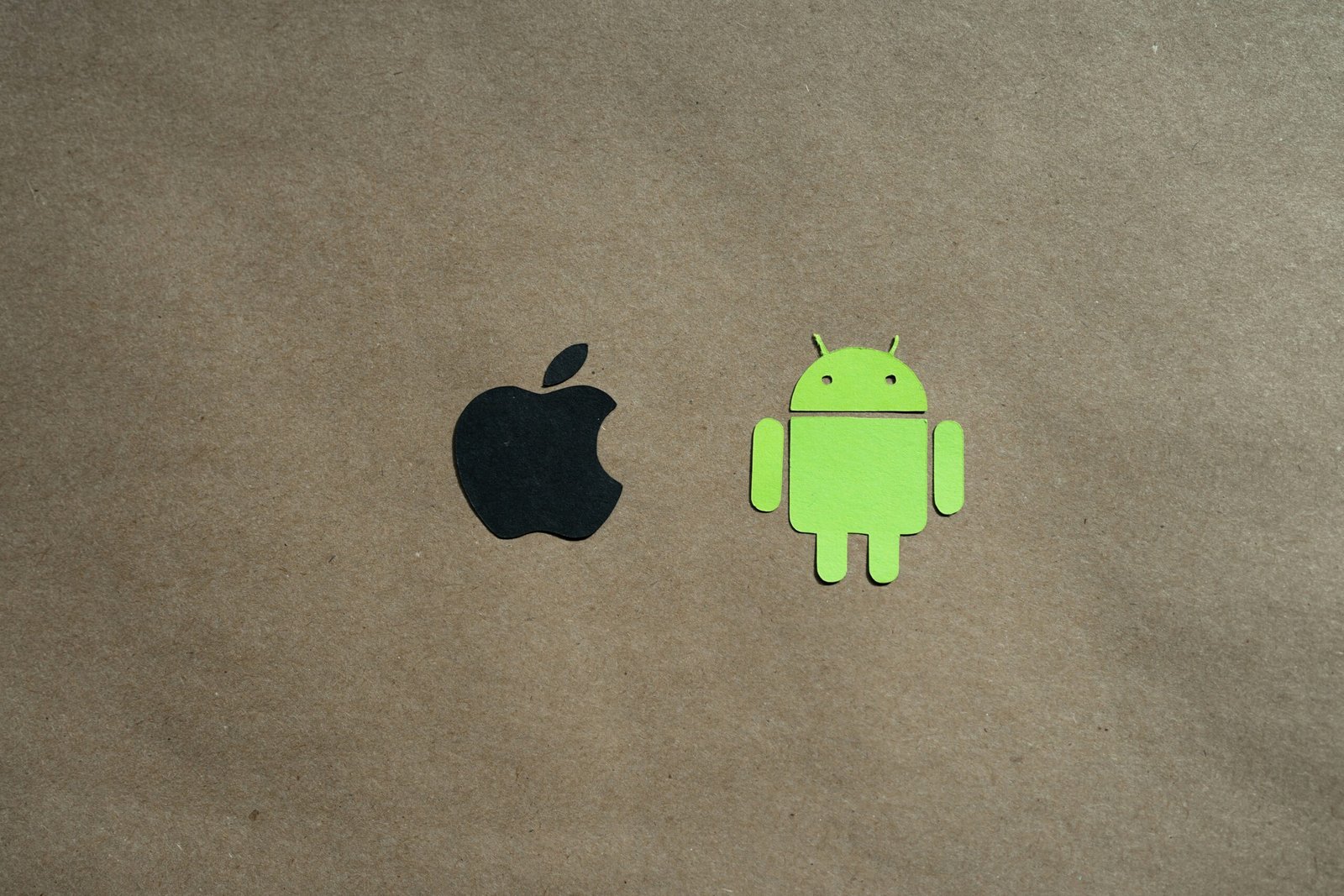
Android and iPhone are two of the biggest names in the smartphone world. For years, consumers have compared the two platforms when choosing a new phone. Both offer powerful hardware, high-quality cameras, modern designs, fast processors, excellent displays, strong security features, and access to thousands of applications. However, the experience they provide can be quite different.
Android is an operating system used by many smartphone manufacturers. Companies such as Samsung, Google, OnePlus, Xiaomi, Motorola, and others produce Android phones in different price ranges and with different designs and features. This creates a large variety of choices for consumers.
The iPhone is Apple’s smartphone product line and uses Apple’s iOS operating system. Unlike Android, iOS is designed specifically for Apple’s hardware. This allows Apple to control both the hardware and software experience, including system updates, applications, security features, and integration with other Apple products.
The question of which one is better does not have one universal answer. The right choice depends on what a person values most. Some users may prioritize customization and hardware variety, while others may prefer simplicity and long-term software integration. Some people may care most about gaming performance, cameras, battery life, or price, while others may already use a laptop, tablet, smartwatch, or other devices from a particular ecosystem.
Understanding the major differences between Android and iPhone can make the buying decision easier. This guide compares the two platforms across design, performance, cameras, software, customization, security, battery life, applications, gaming, connectivity, updates, ecosystem integration, pricing, and everyday usability.
What Is Android?
Android is a mobile operating system developed by Google and used by many smartphone manufacturers. Because Android is available to different companies, each manufacturer can create its own hardware designs and software features.
This makes the Android market extremely diverse. Consumers can find affordable entry-level phones, mid-range devices, flagship smartphones, foldable phones, gaming-focused models, camera-focused devices, and specialized products.
Manufacturers can also modify Android with their own interfaces and features. Samsung uses its own software experience, while other manufacturers offer different interfaces and applications.
The flexibility of Android is one of its defining characteristics. Users have more options when choosing hardware, software features, accessories, and customization methods.
What Is the iPhone?
The iPhone is Apple’s smartphone product line and runs iOS. Apple controls the hardware and software development of the iPhone, allowing the company to create an integrated experience.
Apple releases different iPhone models and sizes, with higher-end versions typically offering additional camera, display, and performance features.
iOS is designed around a relatively consistent interface. Apple controls the software environment closely, which allows it to manage system updates, application distribution, privacy features, and hardware integration.
The iPhone is also part of Apple’s larger ecosystem. It can work closely with products such as Macs, iPads, Apple Watches, AirPods, and other Apple services.
Android vs iPhone Design
Android phones come in a wide range of designs. Different manufacturers use different materials, camera layouts, screen shapes, colors, sizes, and form factors.
Some Android manufacturers experiment with curved displays, foldable screens, gaming designs, large camera systems, and other hardware concepts. This gives consumers a broad selection.
The iPhone design is more standardized because Apple controls the product line. Apple generally focuses on a consistent design language across generations, while introducing changes to materials, cameras, displays, buttons, and other components over time.
The design preference is subjective. Some people prefer the variety available with Android, while others prefer the recognizable and consistent design approach of the iPhone.
Display Quality
Both Android phones and iPhones can offer excellent displays. Modern smartphones commonly use high-quality OLED-based panels on many mid-range and premium models.
Display quality depends heavily on the individual device rather than simply the operating system. Resolution, brightness, refresh rate, color accuracy, HDR support, screen size, and power efficiency can vary significantly.
Many premium Android phones offer high-refresh-rate displays that make scrolling and animations feel smooth. iPhones also offer high-quality displays, with higher-end models providing advanced refresh-rate and display technologies.
When comparing displays, it is more useful to compare specific phone models rather than assuming that one operating system automatically has a better screen.
Performance
Performance is another major area of comparison. Both platforms offer smartphones capable of handling demanding applications, games, video editing, photography, multitasking, and other intensive tasks.
Apple designs its own smartphone processors, allowing its hardware and software teams to work closely together. This integration can produce strong performance and efficient power management.
Android phones use processors from several companies. Some flagship Android devices use extremely powerful chips and can deliver excellent performance.
For everyday activities such as browsing, messaging, social media, streaming, and photography, both platforms can provide a fast experience when using modern hardware.
The exact performance difference depends on the specific devices being compared.
Gaming Performance
Both Android and iPhone can provide excellent mobile gaming experiences. Modern flagship phones have powerful processors, advanced graphics hardware, high-refresh-rate displays, and efficient cooling systems.
Android has a major advantage in hardware variety. Some manufacturers create gaming phones with specialized cooling systems, shoulder triggers, high-refresh-rate displays, and gaming-focused software.
The iPhone benefits from Apple’s control over its hardware and software. Developers can optimize applications for a relatively controlled range of Apple devices.
Game availability can also vary between platforms. Most major mobile games are available on both, but specific titles, subscription services, and release schedules can differ.
For casual gaming, either platform can be suitable. Serious gamers should compare the specific hardware, display, thermal performance, battery capacity, and game support of the phones they are considering.
Camera Quality
Smartphone photography has become one of the most competitive areas in the industry. Both Android manufacturers and Apple have invested heavily in camera hardware and computational photography.
Android phones offer considerable variety. Some flagship models prioritize zoom photography, others focus on low-light performance, while some provide extremely high-resolution sensors.
The iPhone has traditionally emphasized consistent image processing, video recording, color reproduction, and ease of use. Apple’s camera application is designed to make high-quality photography and video relatively simple.
Camera quality is not determined solely by megapixels. Sensor size, lens quality, image stabilization, software processing, autofocus, HDR, low-light performance, and video capabilities all matter.
A person who primarily takes photos should compare actual camera performance on the specific models rather than choosing a platform based only on specifications.
Video Recording
Video recording is an important area where smartphones have become highly capable. Modern iPhones can record high-quality video with strong stabilization, consistent exposure, and advanced processing.
High-end Android phones also offer sophisticated video features, including high-resolution recording, stabilization, slow motion, professional controls, and advanced camera applications.
For casual users, both platforms can produce excellent results. Content creators should examine the exact video resolutions, frame rates, stabilization options, microphone performance, storage capacity, and editing workflow offered by individual devices.
Software Experience
Android and iOS provide different approaches to smartphone software.
Android generally offers more flexibility. Manufacturers can customize the interface, add features, provide alternative applications, and allow users greater control over certain aspects of the operating system.
iOS generally provides a more controlled and consistent interface. Apple manages the software environment closely, which can make the experience more predictable across supported devices.
Neither approach is universally suitable for every person. Users who enjoy customization may prefer Android, while users who want a straightforward and consistent interface may prefer iOS.
Customization
Customization is one of Android’s traditional strengths. Users can change many aspects of the interface, including wallpapers, widgets, default applications, launchers on supported devices, notification settings, and other system behaviors.
Some Android phones allow even deeper customization through manufacturer software and third-party applications.
iOS has become more customizable over time. Users can personalize home screens, widgets, wallpapers, lock screens, icons in certain ways, and other interface elements.
However, Android generally provides more flexibility for users who want to modify the overall appearance and behavior of their smartphone.
Ease of Use
Ease of use depends on the user’s previous experience and personal preferences.
iOS is often designed around consistency. Apple’s interface, settings structure, and application ecosystem follow relatively controlled design principles.
Android interfaces can differ between manufacturers. A Samsung phone may look and behave somewhat differently from a Google Pixel or Xiaomi phone.
This variety gives users more choices, but it can also mean that someone switching between Android brands may need to learn different interfaces.
For someone already familiar with one platform, staying with the same platform may feel easier.
Notifications
Notifications are an important part of smartphone usability. Android and iOS handle notifications differently, although both platforms have introduced features to give users greater control.
Android traditionally provides detailed notification management, allowing users to control notification categories and behaviors at a granular level.
iOS also provides notification controls, summaries, focus modes, and other organizational features.
The best notification experience depends on how a person uses their phone. Someone who receives many work and social notifications may value detailed controls, while another user may prioritize simplicity.
App Availability
Both Android and iPhone have enormous application ecosystems. Major social media, communication, entertainment, banking, productivity, education, and gaming applications are generally available on both platforms.
The Google Play Store is Android’s primary application marketplace, while Apple’s App Store serves iPhone users.
Application availability can vary by country and developer. Some applications may appear on one platform before the other, while some specialized applications may only be available for a particular ecosystem.
Users should check whether the specific applications they depend on are supported before changing platforms.
App Quality and Optimization
Application performance can depend on how developers build and optimize their software.
Android applications need to work across a large number of devices with different screen sizes, processors, cameras, and operating system versions. Developers therefore have to account for substantial hardware diversity.
iOS has a more controlled hardware environment. Developers can optimize applications for a smaller range of devices and system configurations.
This can make iOS attractive to developers who want a predictable hardware environment, while Android’s larger device ecosystem provides access to a broader range of hardware and users.
Software Updates
Software support is an important consideration when purchasing a smartphone. Updates can provide new features, security fixes, performance improvements, and compatibility with newer applications.
Apple controls both iOS and iPhone hardware, allowing the company to distribute major software updates directly to supported devices.
Android updates depend partly on the manufacturer and device. Google and some other manufacturers offer extensive software support, while support periods can vary between brands and models.
Consumers should therefore check the manufacturer’s specific update policy before purchasing an Android phone.
Security
Both Android and iOS include extensive security technologies. Modern smartphones use encryption, application permissions, biometric authentication, secure hardware, and other mechanisms to protect user information.
Apple’s controlled software ecosystem allows it to tightly manage application distribution and system-level security.
Android also includes multiple security layers and has increasingly strengthened its security architecture over time. Google and manufacturers provide security updates, application scanning, permission controls, and other protections.
Security also depends on user behavior. Strong passwords, biometric authentication, timely updates, careful application installation, and avoiding suspicious links are important regardless of platform.
Privacy
Privacy has become a major consideration for smartphone users.
Both Android and iOS provide privacy controls that allow users to manage application permissions. These permissions can cover location, camera, microphone, contacts, photos, and other information.
Apple has positioned privacy as an important part of its product strategy and provides various privacy controls and transparency features.
Google also provides privacy settings and controls across Android and its services.
Users should understand that privacy is influenced not only by the operating system but also by individual applications, cloud services, account settings, and user behavior.
Biometric Security
Modern smartphones commonly support biometric authentication. Depending on the device, this can include facial recognition or fingerprint scanning.
Many Android phones use fingerprint sensors, with some models also offering facial recognition.
Apple’s Face ID system uses facial recognition hardware on supported iPhone models.
Both approaches can provide convenient authentication. The exact security characteristics depend on the hardware implementation rather than simply the operating system.
Battery Life
Battery life varies significantly among individual phones. Screen size, processor efficiency, display technology, network connectivity, application usage, and battery capacity all affect how long a phone can operate.
Android phones offer a wide variety of battery sizes and charging systems. Some manufacturers focus heavily on large batteries and fast charging.
Apple also emphasizes power efficiency through integration between its processors and operating system.
Users should compare real-world battery tests and charging capabilities for specific models rather than assuming one platform always provides better battery life.
Charging
Charging technology differs across Android devices and iPhones.
Many Android manufacturers offer fast wired charging, and some models also support advanced wireless charging features.
iPhones support wired and wireless charging technologies, with charging capabilities varying by model and accessory.
Charging speed is important for users who frequently need to recharge during busy days. However, battery health and charging habits also influence long-term battery performance.
Storage Options
Storage is important because modern smartphones store photographs, videos, applications, games, documents, and offline media.
Many Android phones support different internal storage configurations, and some models also provide expandable storage through memory cards.
iPhones generally use fixed internal storage and do not provide traditional microSD expansion.
Users who store large amounts of offline media or record lots of high-resolution video should consider storage requirements before purchasing.
File Management
Android generally provides more flexibility for managing files directly on the device. Users can interact with folders and transfer different types of files using various methods.
iOS has improved file management through the Files application and integration with cloud storage services.
However, Apple’s ecosystem tends to encourage users to manage many types of content through applications and integrated services rather than treating the phone like a traditional computer file system.
For users who frequently move files between devices, Android may provide a more familiar file-management experience.
Connecting to a Computer
Android phones can connect to Windows PCs, Macs, and other devices using cables, wireless technologies, and cloud services.
iPhones also work with computers, but the experience differs depending on the operating system.
The iPhone has particularly deep integration with Macs. Features such as AirDrop and cross-device services can make moving information between Apple devices convenient.
Android phones can also provide strong integration with Windows PCs and cloud services, depending on the manufacturer and software being used.
Ecosystem Integration
The smartphone ecosystem can be one of the biggest reasons people choose one platform over another.
Apple’s ecosystem connects iPhones with Macs, iPads, Apple Watches, AirPods, and other services. Features such as device synchronization, AirDrop, shared services, and cross-device workflows can reduce friction.
Android is part of a broader ecosystem that includes Google services and products from numerous manufacturers. Some Android brands also build their own ecosystems around phones, tablets, watches, earbuds, and laptops.
Users who already own several devices should consider how well a new phone will work with their existing technology.
Android and Smartwatches
Android supports smartwatches from several manufacturers. Depending on the phone, users can choose from different watch platforms and hardware designs.
Some Android manufacturers provide especially close integration between their smartphones and watches.
This gives Android users more hardware choices, but compatibility can vary depending on the watch and phone.
iPhone and Apple Watch
The Apple Watch is closely integrated with the iPhone. Users can access notifications, fitness information, applications, calls, messages, and other functions.
This integration can be attractive to people who already use Apple products.
The Apple Watch ecosystem also means that users who want a particular smartwatch experience may need to consider the iPhone platform.
Android and Accessories
Android users have access to a broad range of accessories. Cases, chargers, earbuds, smartwatches, controllers, keyboards, and other products are available from many manufacturers.
The variety can make it easier to find products at different price levels.
However, compatibility should be checked carefully because Android devices differ in dimensions, ports, charging standards, and software support.
iPhone Accessories
The iPhone also has a large accessory ecosystem. Cases, chargers, wireless earbuds, watches, car accessories, photography equipment, and other products are widely available.
Apple’s consistent product designs can make accessory compatibility relatively predictable within supported generations.
Third-party accessory certification and compatibility can still vary, so consumers should check whether an accessory supports the features they need.
Android Price Range
One of Android’s biggest characteristics is its wide price range. Consumers can find relatively affordable smartphones as well as premium flagship devices.
This allows people with different budgets to access modern smartphone features.
Affordable Android phones can provide large displays, multiple cameras, modern connectivity, and long battery life. Premium Android models add more advanced processors, cameras, displays, materials, and specialized features.
This variety makes Android particularly flexible for different budgets.
iPhone Pricing
The iPhone is primarily positioned in the mid-range to premium smartphone market, although older or lower-priced models can provide entry points into Apple’s ecosystem.
iPhones generally maintain strong demand in the resale market, which can influence their overall ownership cost.
The price of an iPhone should be evaluated together with storage capacity, accessories, warranty, software support, and expected period of use.
Resale Value
Resale value can be an important factor when buying a smartphone. A device that retains more of its value may reduce the effective cost of upgrading later.
iPhones have historically maintained strong resale demand in many markets. Some premium Android devices also retain significant value, while depreciation can vary considerably by manufacturer and model.
Local market conditions can make a major difference, so buyers should check actual resale prices in their country.
Repairability and Maintenance
Smartphone repairability varies between manufacturers and models. Screen replacement, battery replacement, charging-port repair, camera repair, and other services can have different costs.
Some Android devices provide easier access to certain components, while others are tightly integrated and difficult to repair.
iPhones are also increasingly designed around tightly integrated components. Apple and authorized service providers offer repair services, while independent repair availability depends on location and device.
Before buying a phone, consumers who plan to keep it for several years should consider the availability and cost of repairs.
Android for Power Users
Android can be attractive to power users who want extensive control over their devices. Advanced users may appreciate customization, file management, alternative applications, multitasking features, and hardware variety.
Some Android devices offer desktop-style modes that allow the phone to connect to external displays and accessories.
Android also provides different manufacturers and software experiences, giving advanced users more opportunities to choose a phone that matches their specific preferences.
iPhone for Everyday Users
The iPhone can provide a relatively consistent experience across Apple’s supported devices. The interface, application ecosystem, and integration with other Apple products are designed to work together.
For users who already own Apple devices, this consistency can make switching to another iPhone straightforward.
The controlled ecosystem can also reduce some of the complexity associated with choosing between different manufacturer interfaces.
Android for Photography Enthusiasts
Android’s wide hardware market provides many options for photography enthusiasts. Some flagship devices offer multiple specialized lenses, advanced zoom, large image sensors, computational photography, and professional camera controls.
Different manufacturers take different approaches to photography, which means users can choose a camera system that fits their interests.
Someone who enjoys experimenting with manual controls or specialized photography hardware may find Android’s variety useful.
iPhone for Content Creators
The iPhone has become widely used for mobile photography and video creation. Its combination of camera hardware, video processing, applications, and ecosystem integration makes it suitable for creators who want to record, edit, and publish content from one device.
The availability of professional video and editing applications can also make the iPhone useful for content workflows.
However, high-end Android phones also provide advanced video and photography tools, so creators should compare specific devices based on their production requirements.
Android for Multitasking
Android devices often provide extensive multitasking features. Depending on the manufacturer, users may be able to run multiple applications in split-screen or floating windows.
Large-screen and foldable Android devices can take this even further by providing tablet-like workspace capabilities.
These features can be useful for users who regularly work with multiple applications simultaneously.
iPhone for Simplicity
The iPhone’s controlled interface can appeal to users who prefer a consistent approach to smartphone operation.
Apple provides a standardized software environment across its devices, although features can vary between models.
For users who do not want to spend much time customizing their smartphone, a more controlled environment can reduce the number of decisions they need to make.
Android vs iPhone for Students
Students can use either platform for education, communication, note-taking, research, entertainment, and productivity.
Android provides many affordable options, which can be important for students working with limited budgets.
iPhones can be useful for students who already use Macs or iPads because of ecosystem integration.
The most appropriate choice depends on budget, required applications, existing devices, battery needs, and personal preferences.
Android vs iPhone for Business
Both platforms support productivity applications, email, video meetings, cloud storage, document editing, and business communication.
Android provides broad hardware choices, including devices with specialized business features and large displays.
The iPhone can provide consistent hardware and software support, along with integration with Apple’s broader ecosystem.
Businesses should also consider mobile device management, security requirements, application compatibility, and support policies when selecting a platform.
Android vs iPhone for Privacy and Security
Security and privacy should be evaluated at several levels. The operating system provides foundational protections, but applications, user settings, account security, and updates also matter.
Both Android and iOS provide modern security technologies and privacy controls.
Users should use strong passwords, biometric authentication, two-factor or multi-factor authentication where available, and regular software updates.
No smartphone platform eliminates every security or privacy risk. Responsible usage remains an important part of protecting personal information.
Android vs iPhone: Which One Should You Choose?
There is no single smartphone platform that is automatically the right choice for every user. Android and iPhone take different approaches to hardware variety, software customization, ecosystem integration, file management, pricing, and device selection.
Android provides a broad range of manufacturers and prices, extensive customization, flexible hardware choices, and many specialized devices. It can be particularly appealing to users who want control over how their smartphone works and looks.
The iPhone provides Apple’s integrated hardware and software experience, long-term ecosystem integration, a controlled application environment, and close connections with products such as Macs, iPads, and Apple Watches.
The best approach is to identify the features that matter most personally. Someone who prioritizes customization and hardware variety may evaluate Android devices differently from someone who already owns several Apple products and values ecosystem integration.
What to Check Before Buying
Before purchasing either an Android phone or an iPhone, users should look beyond brand names. The processor, camera system, display, battery life, charging speed, storage, software support, durability, warranty, repair options, and price should all be considered.
It is also important to think about how the phone will be used over several years. A smartphone is often a long-term purchase, so buying based only on today’s features may not provide the best experience later.
Existing accessories and devices should also be considered. If a person already owns a smartwatch, laptop, earbuds, tablet, or other connected products, compatibility may significantly influence the overall experience.
Final Thoughts
Android and iPhone represent two different approaches to modern smartphones. Android emphasizes variety, flexibility, customization, and a wide selection of manufacturers and price points. iPhone emphasizes Apple’s integrated hardware and software environment, consistent user experience, ecosystem connectivity, and controlled platform design.
Both platforms have powerful smartphones capable of handling everyday communication, photography, video, gaming, entertainment, productivity, and professional tasks. The differences become more noticeable in areas such as customization, device variety, file management, ecosystem integration, software distribution, and hardware selection.
Choosing between Android and iPhone is therefore less about finding a universally superior platform and more about understanding which features fit a particular user’s needs. A person who values hardware variety and customization may look closely at Android, while someone deeply invested in Apple’s ecosystem may place greater importance on iPhone integration.
The smartphone market continues to evolve rapidly. Android manufacturers and Apple are constantly introducing new processors, cameras, displays, AI features, connectivity technologies, and software capabilities. As a result, comparing specific models at the time of purchase is often more useful than relying only on broad assumptions about either platform.
Ultimately, both Android and iPhone provide mature smartphone experiences. Understanding their differences allows consumers to make a more informed decision based on budget, existing devices, preferred features, and the way they use technology every day.